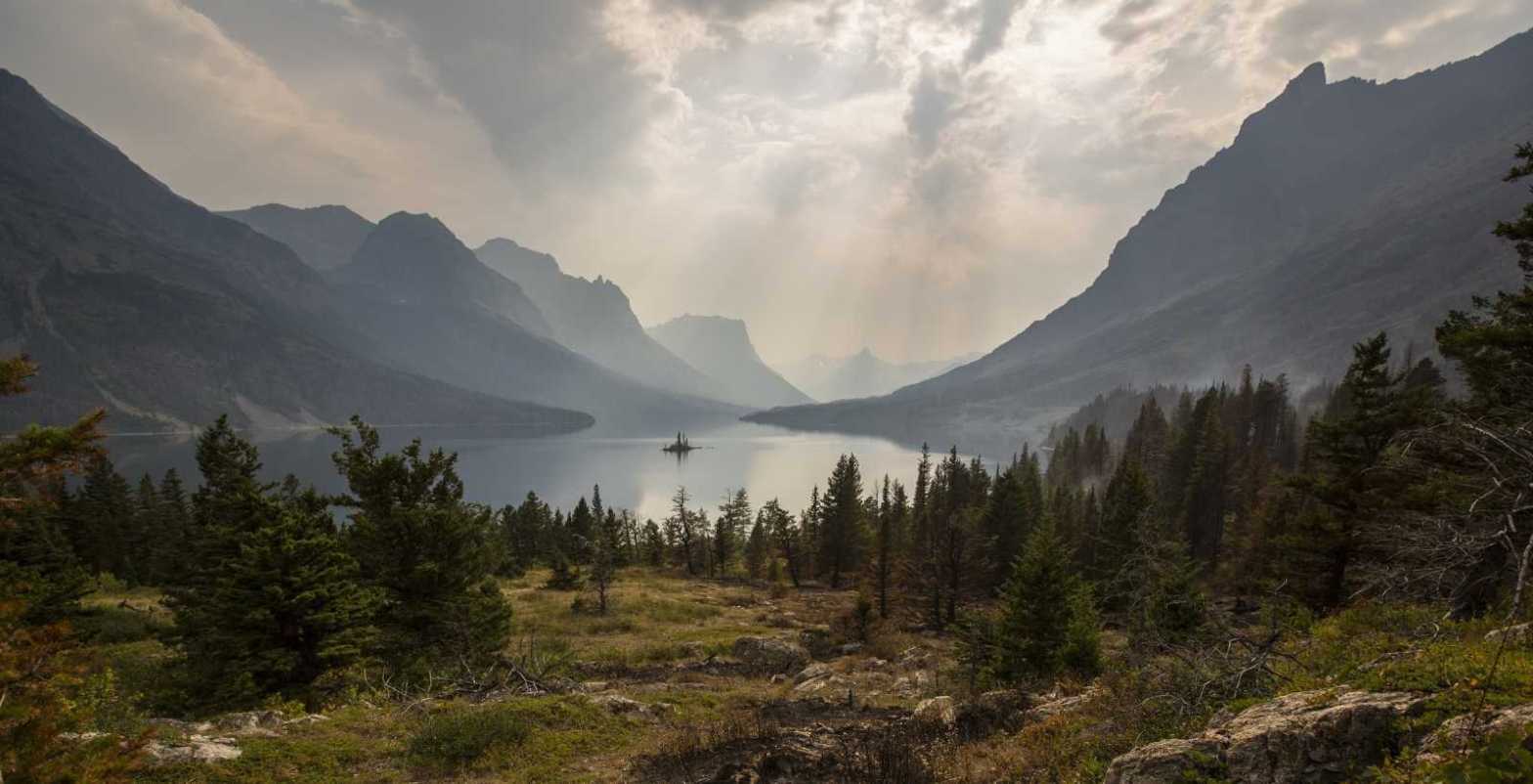
The central reasoning for the project was “to communicate the messages to the wider community about the experiences and perspectives of youth, adults and elders, about the river” (p. 74). I believe this is an example of reinhabitation because communicating these messages about the river is a way of recovering the meaning of that space that Indigenous people had up until a couple of generations ago. These perspectives also give information to the wider community about how important the river is for the wellbeing of each individual and what it is contributing to the entire environment. Another example of reinhabitation that is included in this narrative is how “elders would share knowledge with youth about ways to live off the river and lands and note key sites along the way” (p. 75). This example does not relate to identifying, recovering, or creating a place, but it does relate to recovering lost knowledge and ways of living. The return of knowledge that allows us to live well in our environment allows for the identification and recovery of the places and spaces within our environment. A final example of reinhabitation that occurs in the narrative is how the “research project contributed to a community mapping of key cultural and historical sites” (p. 76). By mapping cultural and historical sites, this project helped to identify places and spaces that can teach ways of living that promote an individual’s wellbeing in their environment.
There are also examples of decolonization that occur throughout the narrative as well. The issue of language played a big part in the project, especially in the topics of language loss and traditional names for places. In the narrative, it states, “names for places in the Inninowuk language were marked as an effort to bring the original names and Cree concepts to more common use among the youth” (p. 76). The use of the Inninowuk names was a change directed towards the youth that was meant to deemphasize the importance of European languages that injured the Indigenous spirit of many people. This small change in language was a way to give power back to the Indigenous people whose culture has been incredibly disrespected by settling Europeans in the past. Another example of decolonization is the “intergenerational language loss” (p. 78). The intergenerational language loss has injured many Indigenous people as it is a separation from their culture. In this narrative, elders have accepted that there is a language loss and are actively trying to teach Indigenous youth the Cree language so that they can dismantle the importance that is placed on European languages in our society. A final example of decolonization is “territorial self-governance” (p. 79). The narrative explains that territorial self-governance is necessary because of extractive capitalism. The government is constantly making decisions regarding how to use land that is in Indigenous territory without consulting Indigenous people. The land and people are being exploited by the government when this occurs, so they are trying to implement territorial self-governance to change this harmful capitalist way of thinking.
I am in the pre-k to grade 5 elementary program, but I am especially interested in grade 1 or 2. I love the idea of using the space or place you are in to aid in your teaching. There is a lot of history behind the places that we live that largely gets ignored. Therefore, I think it is important to expose students to the history of the place that they live so that they can gain a connection to somewhere local instead of other places around the world that are typically taught in schools. I also think there is a lot to learn from the land itself. Our society has become very dependent on technological support, but I think it is also important to see what the natural world can do for us as well. To implement a successful place-based curriculum, it requires a teacher to take their students outside a lot. This can be within the school grounds or to different places on field trips depending on the students and resources available. I think getting students outside is a great first step in implementing a place-based curriculum so that they can immediately start forming connections between what they are seeing and the information that they are learning.
 Nikki's Blog